

Haka Game Park Wins Platinum Award for Best in Conservation & Sustainability Focus

Haka Game Park Wins Platinum Award for Best in Conservation & Sustainability Focus Ndhlovu Nkosikhona May 14, 2026 On the evening of 8 May 2026, Haka Game Park stood among Zimbabwe’s most distinguished leaders in tourism and hospitality at the National Tourism & Hospitality Awards, hosted by the Zimbabwe CEO’s Network at Meikles Hotel, Harare. And we walked away with the highest honour. Platinum. Best in Conservation and Sustainability Focus. This recognition is not merely a trophy on a wall. It is a validation of the daily, often unseen work that happens within our 2,500-hectare urban sanctuary. Work that prioritizes nature over noise, restoration over convenience, and education over exploitation. At Haka Game Park, conservation is not a department. It is our identity. From clearing invasive alien species that threaten our Ramsar wetland, to restoring native woodlands and protecting endangered species like the pangolin (the animal our park is named after) – every action is guided by one question: Will this benefit the ecosystem for generations to come? Share This :
Beyond Game Drives: Haka Game Park as a Living Cultural Heritage Conservation Centre
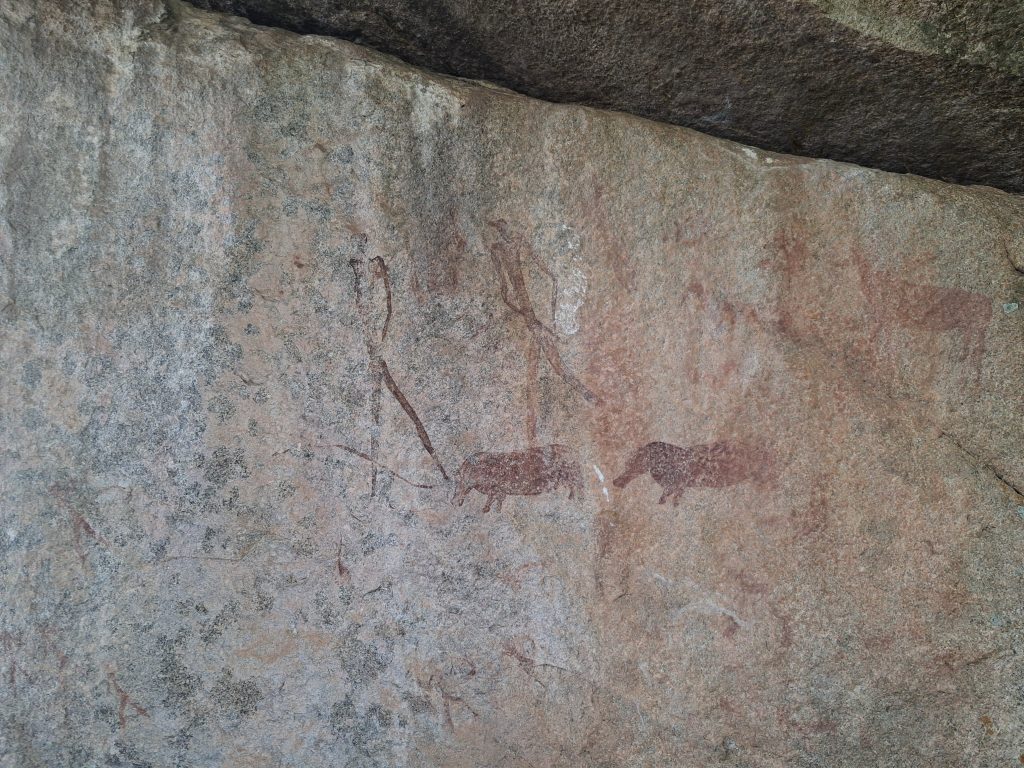
Beyond Game Drives: Haka Game Park as a Living Cultural Heritage Conservation Centre Ndhlovu Nkosikhona February 17, 2026 When visitors arrive at Haka Game Park, they come expecting wildlife. Zebras grazing on the grasslands. Giraffes moving gracefully against the skyline. The shimmer of sunlight on the Ramsar wetland. And they find all of this, of course. But what most do not expect is the weight of human history that rests upon these same soils. Nestled between the Chishawasha Hills and the plains of Goromonzi, in the area known as Masasa, Haka Game Park is not merely a conservation area for animals. It is a living museum of Zimbabwe’s cultural heritage, a place where ancient rock paintings, sacred traditions, and an endangered species carrying the park’s very name converge into a story far richer than any game drive can capture. This is the other side of Haka. The side that whispers of the past while fighting for the future. The Stone Age Gallery: Rock Art That Speaks Across Millennia Ndhlovu Nkosikhona GIS in Wildlife Enthusiast Scattered across the rocky outcrops within Haka Game Park are ochre figures and symbols painted by the San people, the original inhabitants of this landscape. These are not mere decorations. They are historical documents, rendered in pigments that have survived centuries of wind and rain. The paintings offer glimpses into a way of life intricately tied to this environment. Depictions of wildlife, the eland, kudu, and giraffe—reveal not only what animals roamed here but also their spiritual and practical significance to the hunter-gatherers who shared this space. Ritual scenes suggest complex belief systems. Human figures engaged in dance and ceremony speak to community life that unfolded on this very ground. For the San, the boundary between the natural and supernatural was porous. Animals were not just food sources but spiritual beings. The landscape itself held memory. By leaving their marks on these rocks, they consecrated the place, making it part of their ongoing story. Today, Haka Game Park stands as the custodian of this fragile archive. Unlike museum artifacts displayed behind glass, these paintings remain in their original context, exposed to the same elements, surrounded by the same wildlife, connected to the same hills that have watched over them for millennia. Protecting them requires not just security but an understanding that their meaning is inseparable from the living landscape that contains them. The Land as Archive: Masasa, Chishawasha, and Goromonzi Location is never accidental. The San chose this place for reasons that remain visible to anyone who spends time here. The Chishawasha Hills form a natural amphitheatre, providing shelter and strategic vantage points. Their caves and overhangs offered refuge. Their heights allowed observation of game movements across the valley below. For countless generations, these hills have been more than scenery, they have been home. Goromonzi, the broader district, carries its own weight of history. The name itself evokes a landscape dotted with granite kopjes that served as natural fortresses, ceremonial sites, and landmarks guiding travellers long before maps existed. And Masasa, the specific locality of the park, is a geographical marker passed down through generations. Names like these are themselves heritage. They anchor communities to place, encoding memory in language. The wetland at the heart of Haka Game Park ties all of this together. For ancient inhabitants, this was not merely “biodiversity.” It was survival. The water attracted game, making hunting predictable. It supported the plants used for food, medicine, and craft. It transformed a harsh environment into a place where human life could flourish. When we protect this wetland today, we are doing more than conserving an ecosystem. We are maintaining the very conditions that made human settlement possible here for thousands of years. Bridging Heritage and Conservation: A Delicate Balance The relationship between cultural heritage and conservation is rarely straightforward. The same beliefs that endanger the pangolin also connect communities to the land. The same hills that hold ancient art also attract modern development. The challenge facing Haka Game Park is to honour heritage while protecting nature and to help communities see these goals as complementary rather than conflicting. Education is the bridge. By engaging schools in programs that explore both the rock paintings and the living ecosystem, the park demonstrates that culture and nature are not separate. The San artists painted animals because animals mattered to their survival and spirituality. Protecting those animals today honours that legacy. By involving local communities in pangolin conservation, the park addresses the myths that drive trafficking while respecting the cultural frameworks that give the animal meaning. Awareness campaigns explain why the pangolin is special without endorsing the beliefs that fuel poaching . By preserving the wetland, the park maintains the landscape that has sustained human life here for millennia, from hunter-gatherers to farmers to modern visitors seeking peace. Conclusion: A Richer Definition of Conservation Haka Game Park challenges us to expand our understanding of what a game park can be. It is undeniably a place for wildlife, for zebras grazing, birds migrating, and the elusive pangolin hiding in its burrow. But it is also a place for memory. For the ochre handprints left on rock by artists who lived here before any recorded history. For the hills that have watched over countless generations. For a name that carries the weight of cultural tradition. When you visit, you will see the animals. You will breathe the air. You will feel the peace of the wetland. But if you look more closely, you will also sense the presence of those who came before and understand that protecting this place means protecting not just nature, but the entire human story embedded in this landscape. That is the deeper mission of Haka Game Park. A sanctuary for wildlife. A guardian of heritage. A living cultural conservation centre, hidden in plain sight at Harare’s doorstep. Share This :
Haka Charcoal: Turning Invasive Species into Sustainable Fuel
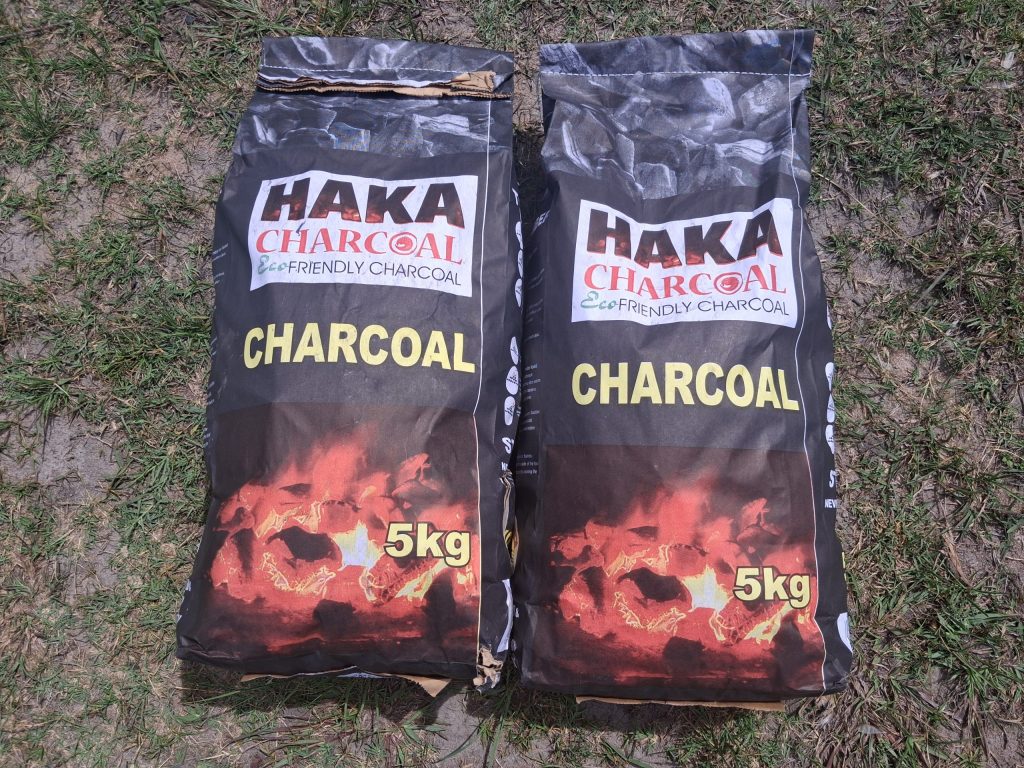
Haka Charcoal: Turning Invasive Species into Sustainable Fuel Ndhlovu Nkosikhona February 3, 2026 What if the biggest threat to a wilderness could become its most powerful tool for protection? At Haka Game Park, we faced a silent challenge common across Zimbabwe: the relentless spread of invasive alien species. These invaders weren’t just eyesores; they were actively draining our Ramsar wetland, choking out indigenous species, and altering the very habitat our wildlife depends on. The traditional solution, clearing and burning felt wasteful. Then, we saw a spark of innovation. What if we could transform this ecological problem into a tangible benefit for both the park and our community? This is the story of Haka Charcoal: a conscious choice to turn a conservation challenge into a source of sustainable fuel, creating a full circle of environmental stewardship right here in Harare. The Silent Invaders: Understanding the Ecological Challenge Ndhlovu Nkosikhona GIS in Eildlife Enthusiast To appreciate the value of Haka Charcoal, one must first understand the problem it solves. Invasive alien species are not merely unfamiliar plants; they are ecological disruptors. These fast-spreading woody shrubs and water-thirsty trees pose a significant threat to biodiversity hotspots like Haka’s protected wetland. Impact of Invasive Plants Consequence for Haka's Ecosystem Resource Competition Outcompete native grasses and saplings for water, light, and nutrients. Habitat Alteration Change soil chemistry and structure, making it unsuitable for indigenous species. Water Table Depletion Especially critical in our Ramsar site, these invaders consume disproportionate amounts of groundwater. Fire Hazard Increase Some accumulate dry biomass, elevating the risk of intense, damaging wildfires. Our rangers witness this encroachment firsthand. Patches of dense, non-native thickets gradually edge out the diverse flora that local birds, insects, and mammals have relied on for generations. The mandate from the Ramsar Convention on Wetlands is clear: maintain the ecological character of our site. This meant taking action against these invaders was not optional, it was a core conservation duty. From Problem to Product: The Birth of Haka Charcoal The breakthrough came from a shift in perspective. Instead of viewing cleared invasive biomass as waste, we began to see it as potential raw material. The concept is rooted in the global principles of the circular economy, where waste is designed out, and materials are kept in use. Our process is straightforward but purposeful: Selective Clearing: Our conservation team identifies and removes specific, problematic invasive stands. Sustainable Harvesting: Biomass is gathered without harming the surrounding native ecosystem. Carbonization: The wood is converted into high-quality charcoal using a controlled process. Packaging & Distribution: The final product is bagged as Haka Charcoal, ready for sale. This initiative does more than just remove a problem. It creates a sustainable funding loop. Revenue generated from Haka Charcoal sales is reinvested directly into our conservation programs, funding more invasive species clearance, ranger patrols, and habitat restoration projects. It’s a practical model of conservation finance. Why Haka Charcoal is a Superior Choice for Your Home Choosing Haka Charcoal extends your environmental stewardship from your backyard braai back to the heart of a Harare wetland. Here’s how it stands apart: A Cleaner Burn: Sourced from specific woody invasives, our charcoal tends to be dense, producing long-lasting, consistent heat with less smoke and spark than some alternatives. A Story in Every Bag: You’re not just buying fuel; you’re directly contributing to the restoration of 2,500 hectares of urban wilderness. Your purchase has a verifiable, positive impact. Supporting Local Conservation: Every dollar stays within the park’s conservation mission, creating jobs for our management team and supporting broader ecological health. In a market often filled with anonymous products, Haka Charcoal offers traceability and purpose. You know exactly where it came from and why it was made. The Ripple Effect: Broader Impacts of a Simple Idea The implications of this project extend beyond our fence line. By developing a market for charcoal made from cleared invasives, we create a powerful economic incentive for more clearance. This model can be replicated by other conservancies and landholders across Zimbabwe, turning a national ecological challenge into a distributed economic opportunity. Furthermore, it offers a conscious alternative for environmentally minded citizens in Harare. As discussions about deforestation and sustainable sourcing grow, Haka Charcoal provides a local, ethical answer. It aligns with global sustainability goals by promoting responsible consumption and production (SDG 12) and supporting life on land (SDG 15). Your Role in the Cycle: How to Support This Mission This innovative loop only closes with community participation. You can be part of the solution in two direct ways: Choose Haka Charcoal for Your Next Braai. Make the conscious switch. Ask for it, and know that your cooking is helping to cook up a healthier ecosystem. Spread the Word. Share the story of Haka Charcoal with friends and family. Awareness creates demand, and demand fuels more conservation action. Haka Charcoal is more than a product; it is a philosophy in action. It embodies a proactive, creative approach to conservation that seeks solutions rather than just managing problems. It proves that environmental challenges can be met with innovation that benefits both nature and the community. We are proud to offer this sustainable fuel to Harare, transforming a threat to our wild sanctuary into a testament of resilience and ingenuity. The next time you light your fire, let it be one that warms your home and, simultaneously, helps safeguard the wild heart of our city. Ready to make your next braai a force for conservation? Visit Haka Game Park to purchase your bags of Haka Charcoal, or contact us for larger orders. Join us in turning an invasive problem into a sustainable future. Share This :
A Beginner’s Guide to Fishing in Harare: Your First Catch at Haka Game Park
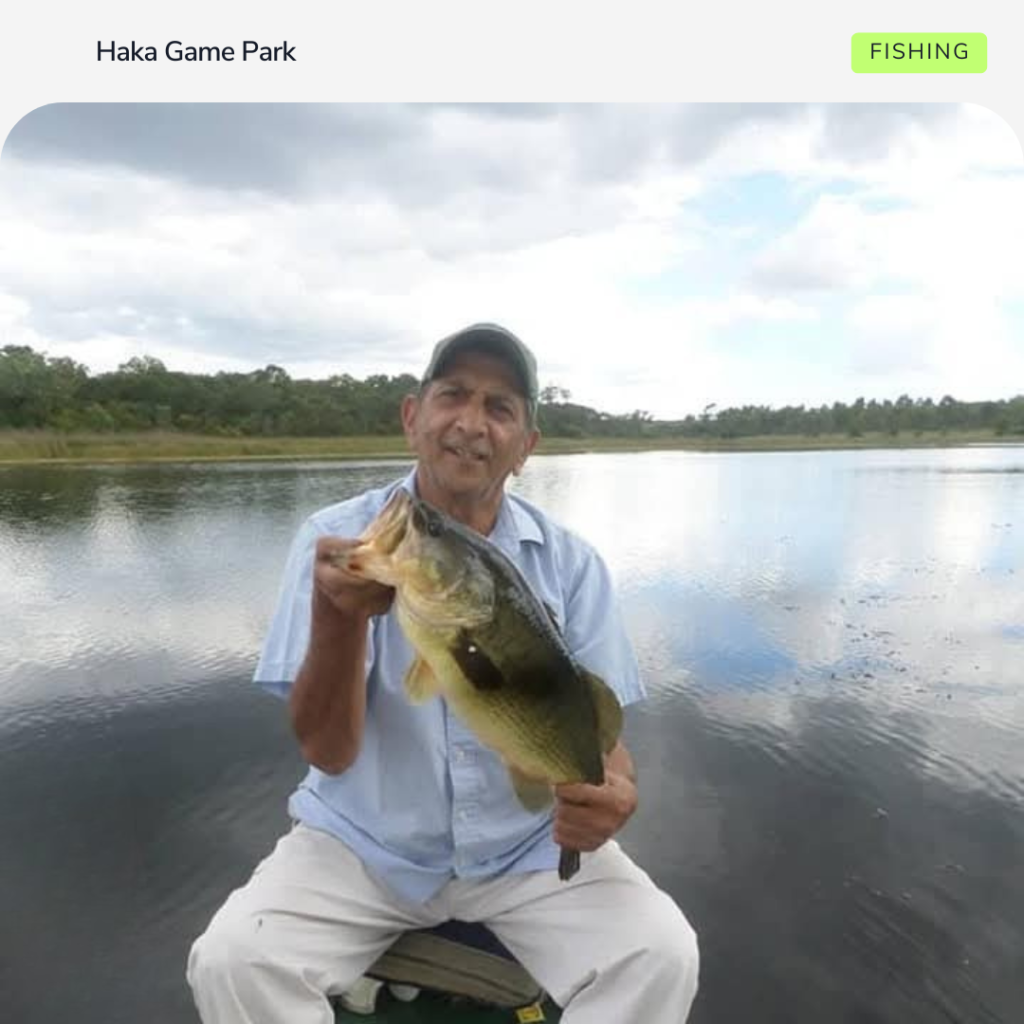
A Beginner’s Guide to Fishing in Harare: Your First Catch at Haka Game Park Ndhlovu Nkosikhona January 27, 2026 Imagine a Saturday morning where the loudest sound isn’t traffic, but the gentle lapping of water against the shore. The only notification you’re waiting for is the sudden tug on your line. This peaceful, rewarding escape isn’t a distant dream-it’s an accessible reality right here in the capital. Welcome to the serene world of fishing in Harare, an activity that offers both solitude and excitement, all within the city’s limits. For beginners, the idea of starting can feel daunting: what gear do I need? Where do I even go? This guide eliminates the guesswork. We’ll walk you through everything, from choosing your first rod to landing your first fish, proving that the perfect place to start your angling journey is closer than you think. By the end of this guide, you’ll have a clear, confident plan for your first successful trip. Why Haka Game Park is Your Perfect Starting Point Ndhlovu Nkosikhona GIS in Wildlife Enthisiast When considering fishing in Harare, Haka Game Park stands out not just as an option, but as the ideal beginner’s sanctuary. Its unique advantages transform the often-intimidating prospect of starting a new hobby into a simple, enjoyable outing. Unmatched Accessibility: Unlike distant dams or crowded public spots, Haka is minutes from Harare’s City Centre. There’s no need for a long expedition; your fishing adventure can begin with a short, scenic drive. A Serene, Controlled Environment: Nestled within a protected Ramsar wetland, Haka offers clean, fish-rich waters in a safe, managed setting. You can focus on fishing without worrying about unpredictable currents or unsafe terrain. Beginner-Friendly by Design: With spacious banks and a non-competitive atmosphere, there’s plenty of room to learn. Our park rangers are also on hand to offer friendly, non-judgmental pointers, turning a simple trip into a guided experience. Meet Your Potential Catch: The Fish of Haka’s Waters Half the fun of fishing in Harare is the anticipation of what you might reel in. Haka’s aquatic ecosystem supports healthy populations of several species perfect for beginners. Here’s who’s biting: Species Description & Appeal Best For Beginners? Bream (Blue Kurper) A feisty, plentiful fighter that bites readily. Its beautiful silvery-blue color makes for a rewarding first catch. Excellent. Common and eager, making them perfect for building confidence. African Catfish (Barbel) A stronger, bottom-feeding fish known for its distinctive “whiskers.” Offers a more substantial challenge and a great fight. Great. Provides a thrilling tug-of-war experience for those ready to step up. Largemouth Bass (If present) A prized, aggressive predator famous for its dramatic strikes. A legendary catch for any angler. Advanced. Can be trickier to hook but is an unforgettable prize. Gearing Up: Your First Fishing Kit You don’t need a professional arsenal to start fishing in Harare. A simple, effective setup is all you require. Here’s a breakdown of the essentials: Rod & Reel: A 6-7 foot medium-action spinning rod and reel combo is the universal recommendation for novices. It’s user-friendly, versatile, and affordable. Many local sports shops in Harare offer perfect starter kits. Tackle Basics: Keep it simple. Hooks: Size 6 or 8 hooks are ideal for our common species. Sinkers: A few small split-shot sinkers to help your bait stay down. Floats/Bobbers: A simple float helps you see when a fish is biting. The All-Important Bait: For fishing in Harare at Haka, live earthworms or crickets are the most effective and beginner-friendly baits. They’re easy to find and irresistible to bream and catfish. Extras for Comfort & Success: A small cooler bag or bucket (for your catch or to keep drinks cold). Pliers for safely removing hooks. Sun protection: hat, sunscreen, and sunglasses. A folding chair and plenty of drinking water. Your First Trip: A Step-by-Step Walkthrough Step 1: Book & ArriveSecure your day pass via our website or a quick phone call. Upon arrival at Haka, check in at the gate and let the staff know you’re here to fish. They’ll direct you to the prime, beginner-friendly fishing zones along the wetland. Step 2: Set Up Your GearFind a comfortable, flat spot. Thread your line through the rod’s guides, tie on your hook, attach a sinker about 15cm above it, and then clip on your float at your desired depth (start with 0.5 – 1 meter). Hook your worm through the middle, ensuring the point is exposed. Step 3: Cast & Embrace the WaitHold the line against the rod with your finger, open the reel’s bail, and with a smooth sidearm motion, cast towards areas near reeds or lilies. Engage the reel and place your rod on a forked stick. Now, relax. Fishing is a practice in patience. Watch the float-a sudden dip or sideways movement means a bite! Step 4: The Thrill of the CatchWhen you get a bite, don’t jerk immediately. Give a slight pause, then firmly but smoothly lift the rod tip to set the hook. Keep the line tight and use the reel to guide the fish in. For smaller fish, you can reel directly. For a bigger fight, let the fish run a little, then reel when it tires. Step 5: The Rewarding Decision: Release or Take Home?Here’s a unique advantage of fishing in Harare at Haka: you have a choice. You can practice ethical catch-and-release, gently removing the hook and returning the fish to the water. Or, you can take your fresh catch home-a true “wet-to-table” experience that’s rare for an urban fishery. Have your cooler bag ready. Fishing Responsibly: Our Rules for Conservation To ensure fishing in Harare remains sustainable at Haka for generations, we follow simple, important rules: Permits: Your general entry fee covers fishing access. Zones: Fish only in designated areas to protect sensitive wetland habitats. Ethics: If you release a fish, handle it with wet hands and minimize its time out of water. Cleanliness: Please take all your belongings and any litter with you. We champion the “leave no trace” principle to protect our Ramsar site. Pro-Tips from the Bank Timing: The best fishing in Harare at Haka is early morning or late afternoon when fish are most active. Quiet is
The Unspoken Benefits of Horse Riding in Zimbabwe
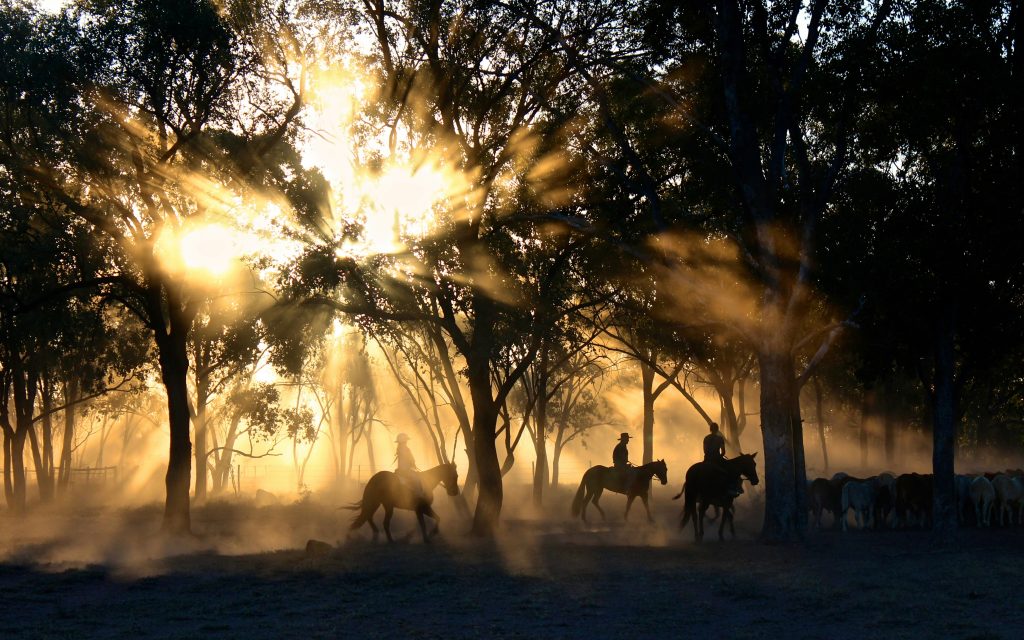
The Unspoken Benefits of Horse Riding in Zimbabwe Ndhlovu Nkosikhona January 12, 2026 The sun warms your back, the scent of wild sage hangs in the air, and the only sound is the steady rhythm of hoofbeats on an ancient trail. Before you, a landscape of breathtaking beauty unfolds, but your perspective is uniquely transformed-you are part of the scenery, not just an observer. This is the profound, often unarticulated magic of horse riding in Zimbabwe. Beyond the obvious thrill of exploration lies a deeper, more personal journey-one of mental clarity, physical connection, and a silent dialogue with nature that modern life so often lacks. While many seek horse riding in Zimbabwe for adventure, few are prepared for its unexpected gifts: the quieting of a busy mind, the awakening of long-dormant muscles, and the unparalleled sense of peace that comes from moving in harmony with another living being through pristine wilderness. At destinations like Haka Game Park in Harare, this experience is uniquely framed within an accessible urban sanctuary, making its therapeutic benefits available not just on a remote safari, but as a regular restorative practice. More Than a Trail Ride: Redefining the Experience Ndhlovu Nkosikhona GIS in Wildlife Enthusiast Traditionally, horseback adventures are marketed for their excitement. But to view them solely through this lens is to miss their true essence. In Zimbabwe, where landscapes range from the mystical Eastern Highlands to the sprawling Lowveld, horse riding becomes a multidimensional activity. Perceived Benefit The Unspoken, Deeper Reward Scenic Exploration Mindful Presence: The pace forces you into the “here and now,” breaking cycles of anxiety and future-tripping. Physical Activity Somatic Reconnection: The act of riding engages your core, improves balance, and creates a tangible, nonverbal bond with the horse. Wildlife Viewing Ecosystemic Immersion: You move quietly within the environment, becoming a non-threatening presence, which often leads to more authentic wildlife encounters. This shift in perspective is supported by growing research. Studies, including those highlighted by the American Psychological Association on the benefits of ecotherapy, confirm that immersive time in nature significantly reduces stress hormones, while activities requiring focused partnership with animals can enhance emotional regulation. The Unspoken Benefits 1. The Silent Therapy for a Noisy Mind In our digitally saturated world, finding true cognitive silence is a battle. Horse riding in Zimbabwe mandates a form of focused attention that psychologists call “soft fascination”. Your mind must be present to guide and respond to your horse, navigating terrain and reading its cues, leaving little room for intrusive thoughts about work or inboxes. This isn’t just distraction; it’s an active, engaged form of mindfulness. The rhythmic motion has a meditative quality, lowering cortisol levels and allowing for mental decluttering. Riders often dismount feeling not just exhilarated, but mentally lighter. 2. Reclaiming a Physical Conversation Our modern bodies are conditioned for chairs and screens. Riding is a powerful antidote. It’s a full-body exercise that improves posture, core strength, and balance in a dynamic, functional way. But the unspoken physical benefit is proprioceptive-the sense of where your body is in space. You learn to communicate through subtle shifts in weight, leg pressure, and intention. This nonverbal “conversation” with a 500kg animal is a powerful exercise in calm assertiveness and body awareness, rebuilding a connection to our own physicality that desk jobs steadily erode. 3. The Unique Zimbabwean Context: Accessibility & Wilderness This is where the Zimbabwean experience, particularly at a park like Haka, becomes uniquely valuable. The unspoken benefit here is accessibility to transformation. You don’t need a week’s vacation to access this therapy. Horse riding in Zimbabwe can be a half-day retreat within the capital, set against a Ramsar wetland with grazing impala. This democratizes the profound experience, making it a viable regular practice for mental and physical wellness, not just a rare holiday adventure. It blends the raw, wild essence of Africa with the practical possibility of integration into daily life. Your First Ride: What to Really Expect If you’re new to horse riding, knowing what to expect can help you embrace the unspoken benefits from the start. The Connection Comes First: A reputable stable will introduce you to your horse, allowing time for a first meeting. This initial bond is the foundation of your ride. You’re a Partner, Not a Passenger: You’ll be guided on basic commands. Embrace this learning—it’s the beginning of that rewarding nonverbal dialogue. The Pace is Purposeful: Rides are often at a walk or gentle trot. This isn’t about speed; it’s about rhythm, observation, and immersion. Discomfort is Temporary: Sore muscles are common for first-timers but fade quickly, while the psychological and emotional benefits linger. Horse riding is, on the surface, a magnificent way to see the country. But its true value whispers rather than shouts. It is an invitation to trade noise for rhythm, anxiety for presence, and observation for immersion. It is physical therapy, moving meditation, and a masterclass in nonverbal communication, all set within some of the world’s most stunning and spiritually resonant landscapes. The unspoken benefit is a return to yourself-a clearer mind, a more connected body, and a renewed sense of peace forged in partnership with a noble animal and the ancient land. Ready to listen to the unspoken benefits for yourself? Experience this transformative journey at Haka Game Park. Book your horseback adventure today and discover why horse riding in Zimbabwe is more than an activity-it’s a therapy for the modern soul. Have you experienced the quiet magic of horseback riding? Share your story in the comments below. Share This :
